
1. Unrivaled Natural Diversity in a Compact Space
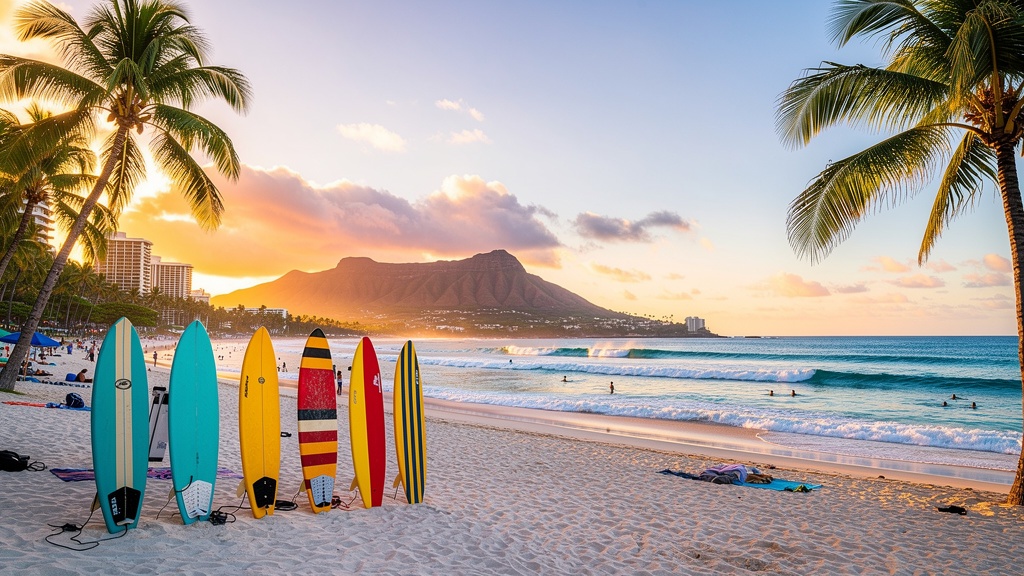
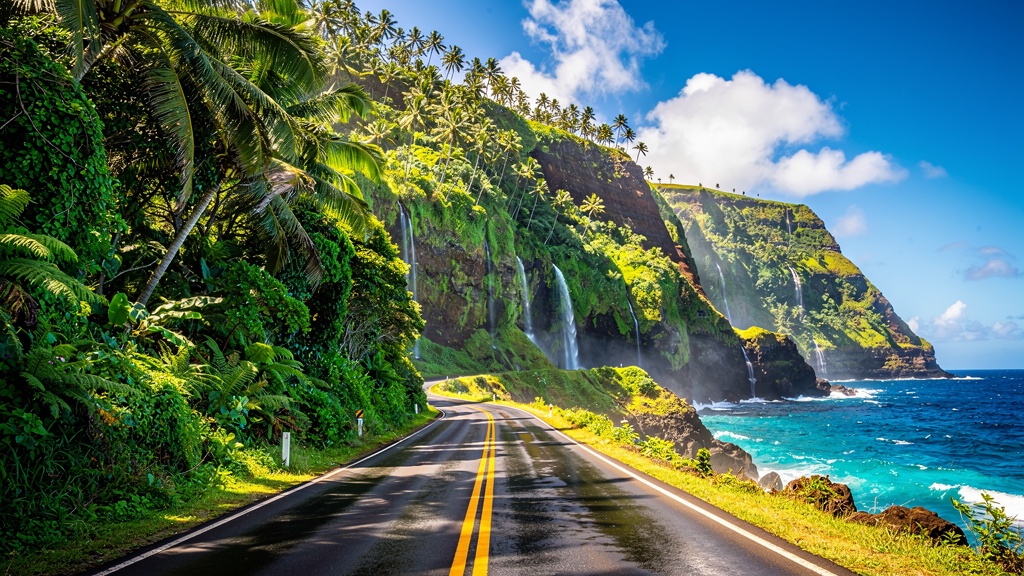
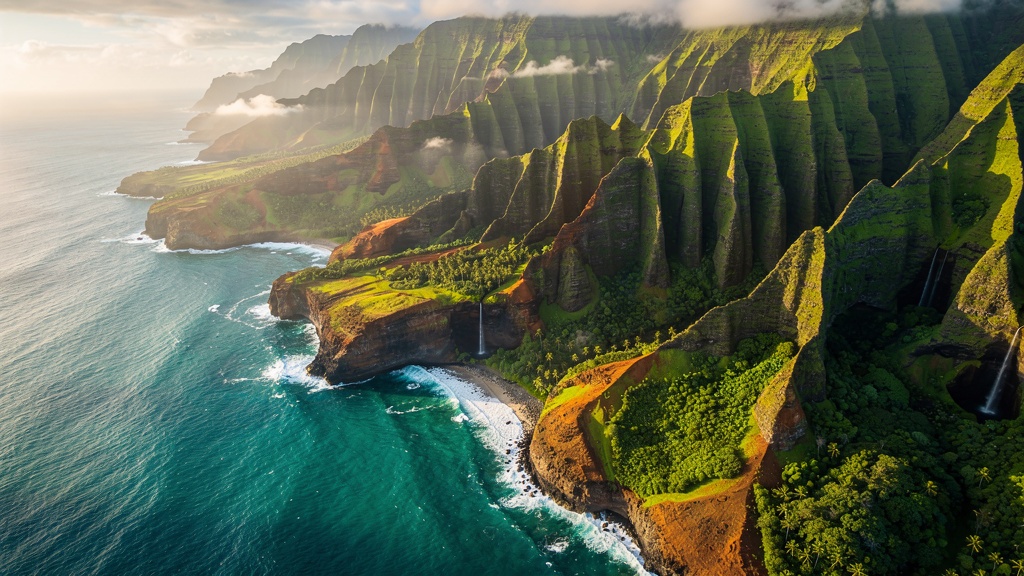
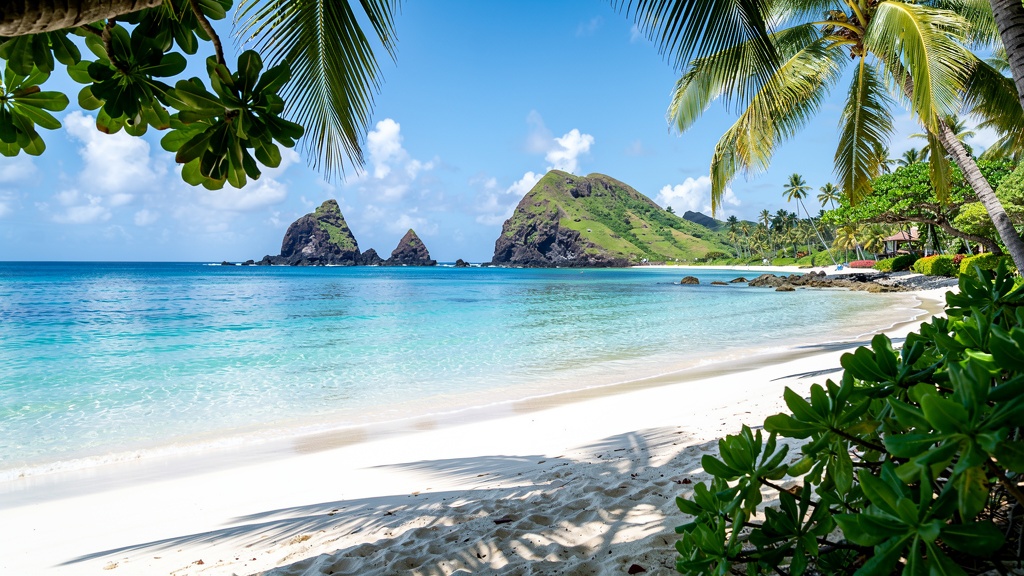
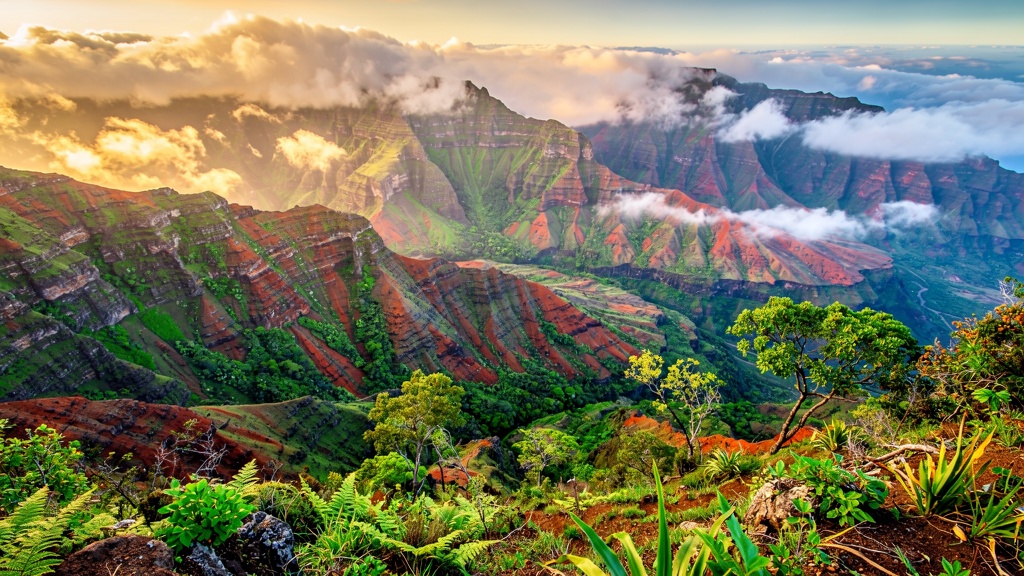
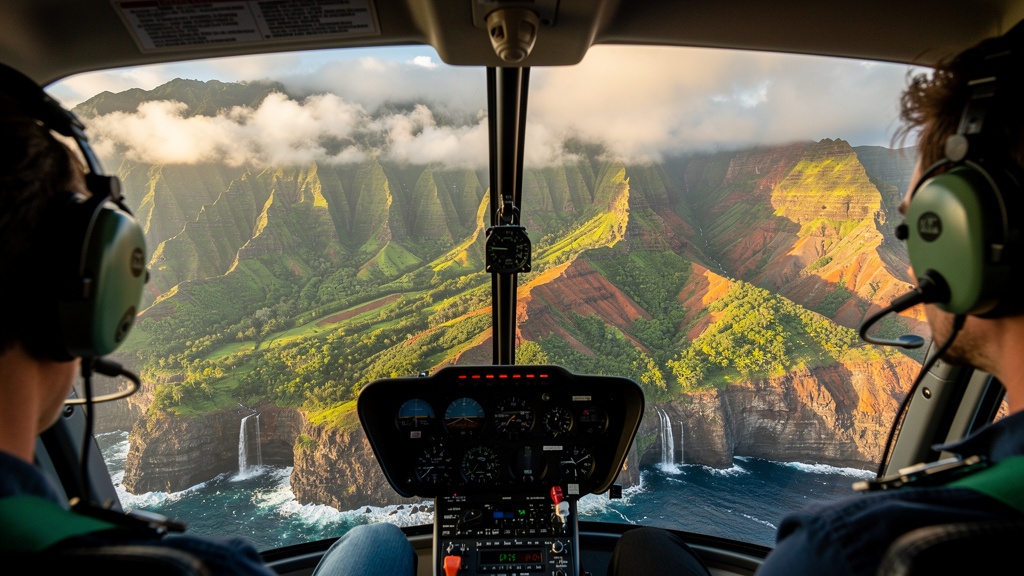
Few places on Earth pack as much natural variety into as small a space as Hawaii. Within a single island visit, you can wake up to the chill of a volcano summit, spend your afternoon swimming in a warm bay, and end your day watching the sun sink into the Pacific from a black sand beach. Hawaii contains 11 of the world's 13 climate zones, from tropical rainforest to subarctic — a phenomenon driven by its dramatic topography and the prevailing trade winds.
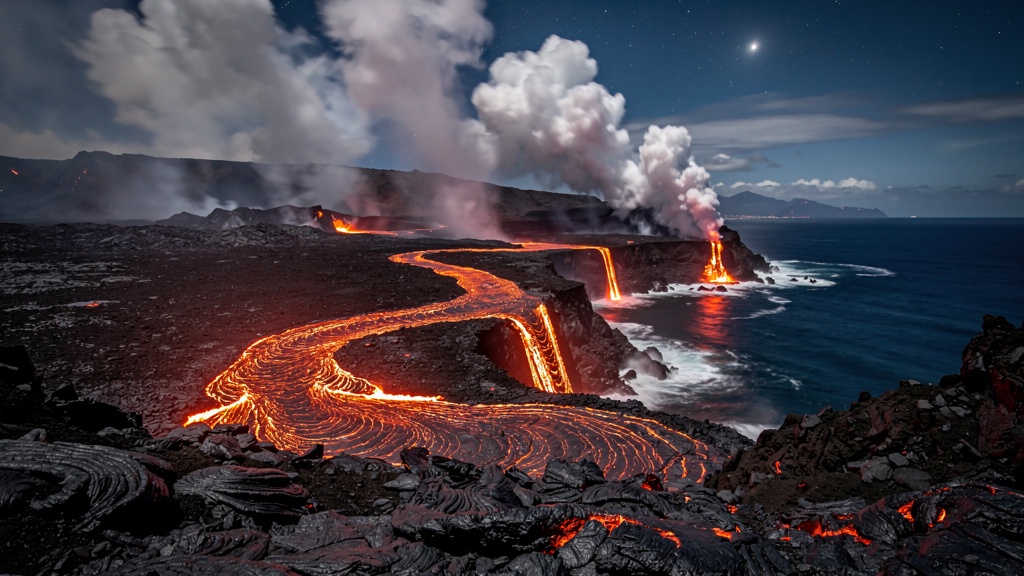
On the Big Island alone, you can visit an active volcano, explore a lava tube, swim with manta rays at night, hike through lush rainforest, drive through a high-altitude desert, and surf. On Maui, the Haleakalā volcano creates its own microclimate system, with the summit often sitting above the clouds while the coast basks in sunshine. This extraordinary diversity means that Hawaii is a destination you could visit a dozen times and always discover something entirely new.
2. World-Class Year-Round Weather
Hawaii is blessed with one of the most agreeable climates on the planet. Average temperatures range from around 75°F (24°C) in the cooler winter months to around 88°F (31°C) in summer, moderated by the constant northeast trade winds that provide natural air conditioning. Unlike many tropical destinations, Hawaii avoids the extremes of a harsh wet season. There are drier periods and wetter periods, but rain typically comes in short showers rather than prolonged deluges, and it often rains on one side of an island while the other remains sunny.
Ocean water temperatures hover between 73°F and 80°F (23–27°C) year-round, making swimming, snorkeling, and diving possible in any month. This consistent warmth is particularly appealing for travelers from colder climates looking to escape harsh winters, but Hawaii is equally rewarding during summer months when the trade winds keep the heat comfortable.
3. The Aloha Spirit Is Real and Transformative
The concept of "aloha" extends far beyond its role as a greeting. In Hawaiian philosophy, aloha encapsulates a profound set of values: compassion, patience, unity, humility, and kindness. The Aloha Spirit Law, enacted in 1986, actually requires Hawaii state employees to embrace this philosophy in their work — and visitors consistently report feeling its genuine warmth throughout their time on the islands.
This spirit manifests in countless small ways: the local who stops to help you with directions, the market vendor who shares the story behind each ingredient, the surfer who encourages a beginner in the water, and the hotel staff who greets you as part of the family. Hawaii has a way of slowing visitors down, encouraging a deeper presence, and fostering genuine human connection that is increasingly rare in modern travel.
4. Marine Life Beyond Imagination
Hawaii sits in the middle of the Pacific Ocean, surrounded by deep, clear, warm water teeming with extraordinary marine biodiversity. The Hawaiian monk seal, one of the world's most endangered marine mammals, can be spotted resting on remote beaches. Hawaiian green sea turtles (honu), considered sacred in Hawaiian culture, are commonly seen swimming in shallow bays and occasionally basking on sandy shores.
Humpback whales migrate to Hawaiian waters from Alaska every winter (November through May) to breed and give birth, with Maui's Auau Channel hosting the highest concentration. Watching a 45-ton whale breach just a few hundred meters from your boat is an experience that stays with you forever. Spinner dolphins are a year-round presence, frequently riding the bow waves of boats and putting on acrobatic displays in bays and coves.
5. The Most Isolated Architecture of Culture in the World
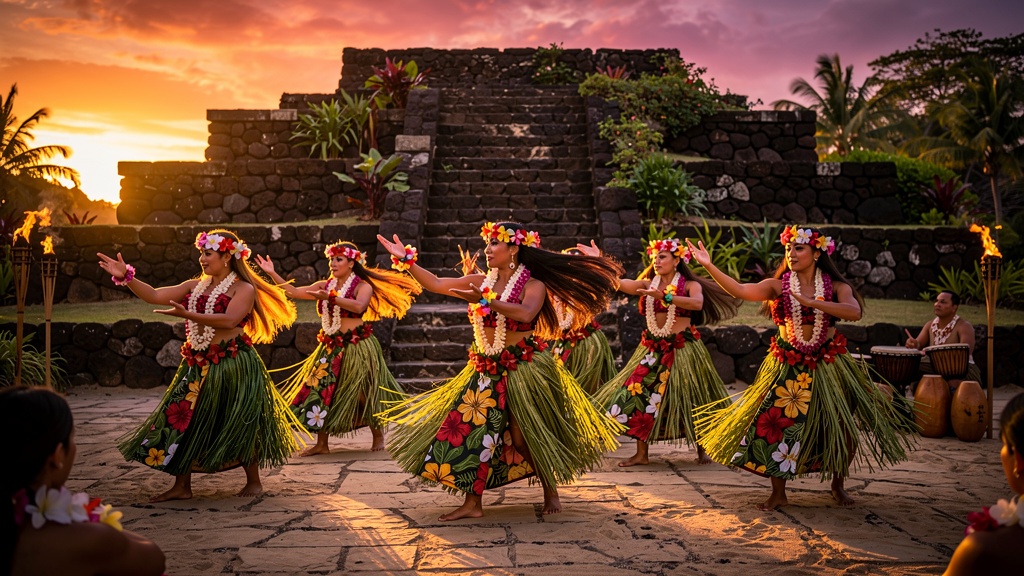
Located approximately 2,400 miles from the nearest continent, the Hawaiian Islands developed in remarkable geographic isolation for centuries before Western contact in 1778. This isolation allowed Hawaiian culture to evolve in a completely unique direction, creating a sophisticated society with its own language, religion, social structure, navigation methods, agricultural systems, and artistic traditions.
The ancient Hawaiians were among the world's greatest navigators, using stars, ocean swells, bird behavior, and cloud patterns to guide their canoes across thousands of miles of open ocean. Their voyaging canoes were engineering marvels, capable of carrying dozens of people with food, water, plants, and animals for trans-Pacific crossings. Understanding this heritage gives every visit to Hawaii a profound historical depth that transforms the experience from a beach vacation into a genuine cultural journey.
6. Incredible Food Culture and Farm-Fresh Ingredients
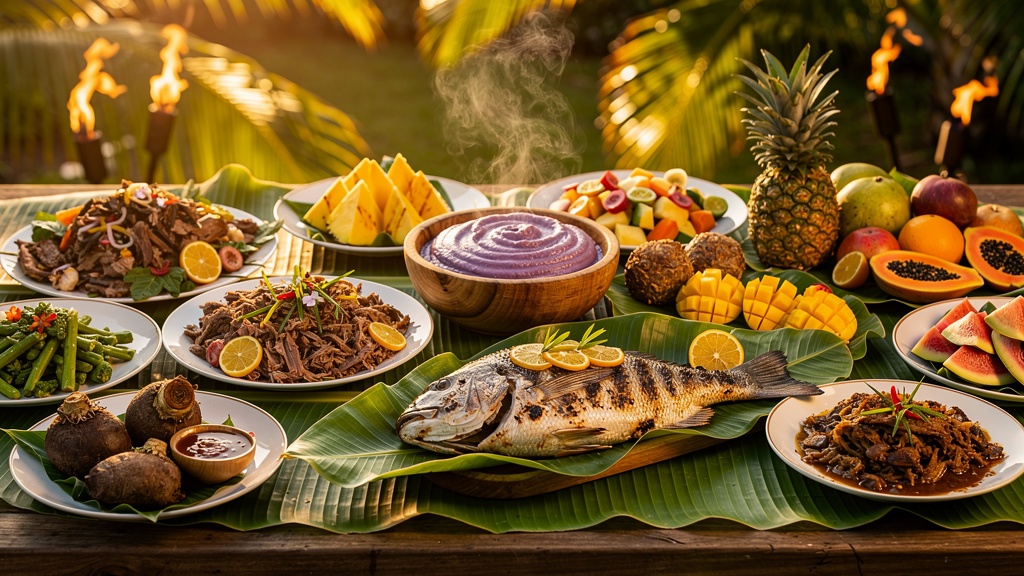
Hawaii's food culture is as diverse and fascinating as its landscape. The islands' multicultural heritage has created a culinary melting pot unlike anything found elsewhere in the United States. Hawaiian plate lunch culture — a uniquely local institution combining a protein (perhaps teriyaki chicken or kalua pig), two scoops of rice, and macaroni salad — reflects the blended immigrant heritage of the plantation era.
Modern Hawaiian cuisine has evolved into a sophisticated farm-to-table movement that capitalizes on the islands' extraordinary agricultural abundance. Hawaii grows over 200 varieties of taro, the crop that was central to ancient Hawaiian civilization. Local farms produce macadamia nuts, coffee (Kona coffee is among the world's finest), tropical fruits, vanilla, cacao, and countless vegetables that rarely appear on mainland American menus. Chefs across the islands are increasingly celebrating this local bounty in menus that are both deeply rooted in tradition and thrillingly contemporary.
7. Exceptional Stargazing Opportunities
Mauna Kea on the Big Island rises 13,796 feet above sea level, making it the highest point in Hawaii and one of the world's premier astronomical observatories. Positioned above 40% of Earth's atmosphere, with low humidity, minimal light pollution, and exceptional atmospheric stability, the summit hosts thirteen of the world's most advanced research telescopes.
Visitor programs operate at the Onizuka Center for International Astronomy at around 9,000 feet elevation, where ranger-guided evening stargazing sessions are offered on clear nights. The view of the Milky Way from Mauna Kea is simply staggering — a river of stars stretching from horizon to horizon with clarity that most people in the modern world have never experienced. Even at lower elevations, the dark skies of Hawaii's more remote areas offer extraordinary stargazing compared to the light-polluted mainland.